NFL Prop Bets UK: Player and Team Proposition Betting
 Available in US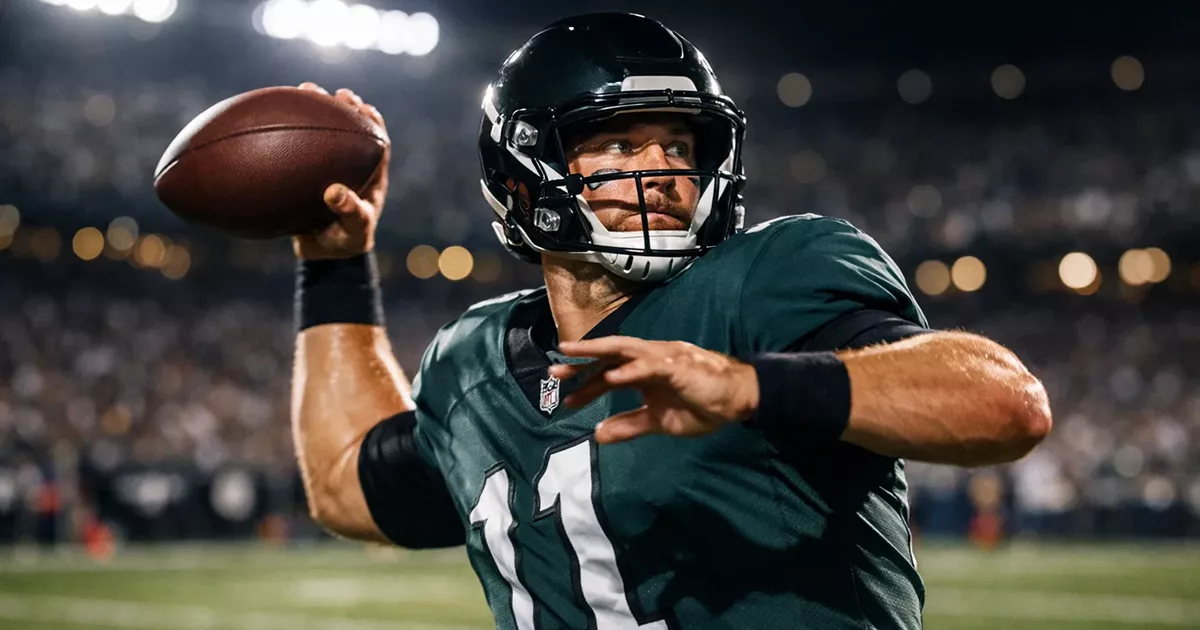
Last Updated: January 2026
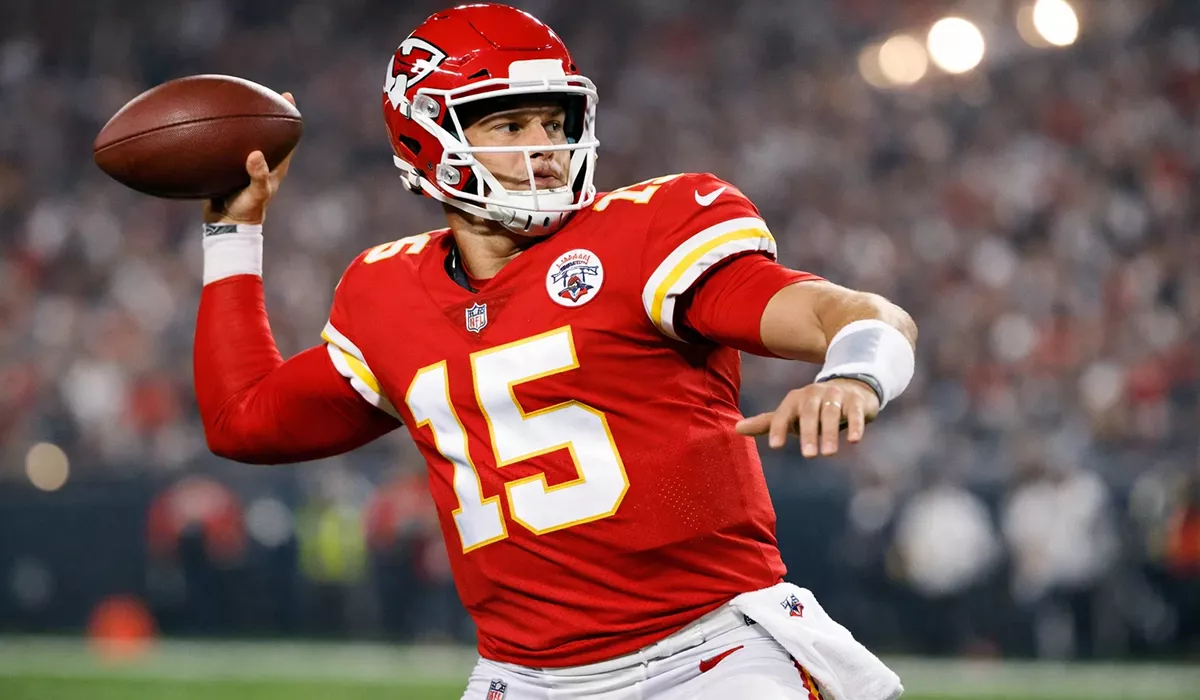
Proposition betting has transformed how fans engage with NFL games. What started as a niche market has exploded into a multi-billion dollar segment of sports betting, with player props now representing one of the largest and fastest-growing categories of NFL wagers at major sportsbooks. Whether you want to bet on Patrick Mahomes throwing for 300 yards or predict which team scores first, prop bets offer action on virtually every aspect of the game.
This guide covers everything you need to know about NFL prop betting, from understanding the basics to implementing winning strategies that sharper bettors use.
NFL Prop Bet Mechanics: Understanding Proposition Wagering
NFL prop bets, short for proposition bets, are wagers placed on specific events or outcomes within a football game that do not directly relate to the final score or point spread. Instead of betting on who wins or by how much, props focus on individual performances, specific game occurrences, and statistical milestones. You might bet on a quarterback’s passing yards, whether a certain player scores a touchdown, or how many field goals get kicked in a game.

The distinction between prop bets and traditional wagers matters for understanding why they have become so popular. Traditional NFL betting involves three main markets: the point spread, the moneyline, and the game total. These bets are fundamentally about the collective outcome. Prop betting flips that model by allowing you to isolate specific elements. You might believe the Chiefs will struggle offensively against a stout defense, yet still think Travis Kelce will haul in seven or more receptions because he typically sees heavy targets regardless of game script.
Proposition bets earned their name because they literally propose a scenario for you to bet on. The sportsbook creates a proposition, say “Derrick Henry over 85.5 rushing yards,” and you decide whether to take the over or under. This format allows for creative and highly specific betting opportunities that traditional markets cannot provide. Want to bet on which quarterback throws the first interception of a primetime game? There is a prop for that.
The history of NFL prop betting traces back to the 1980s when Las Vegas sportsbooks began offering exotic wagers for the Super Bowl. Early props included novelty bets like the length of the national anthem or the result of the coin toss. The market remained relatively small for decades, treated more as entertainment than serious gambling. That changed dramatically with the expansion of legal sports betting across the United States following the 2018 Supreme Court decision that struck down PASPA. Online sportsbooks flooded the market with hundreds of prop options for every NFL game, and bettors responded with enthusiasm.
Today, prop betting represents one of the fastest-growing segments of the sports betting industry. The reasons for this growth are straightforward. Fantasy football created an entire generation of fans who think in terms of individual player statistics rather than team outcomes. When you spend years tracking receiving yards and rushing touchdowns for your fantasy lineup, betting on those same statistics feels natural. Props also offer more perceived control. Bettors feel they can gain an edge by researching individual matchups, studying snap counts, and monitoring injury reports. Whether that edge actually exists depends on your approach, but the appeal is undeniable.
Sportsbooks have embraced prop betting because it generates significant handle and often carries higher margins than traditional markets. The sheer volume of prop offerings, sometimes exceeding 200 different bets per game, means that books cannot set perfectly efficient lines on every proposition. This inefficiency creates opportunities for informed bettors, though it also creates traps for those who bet casually without research.
Types of NFL Prop Bets
The NFL prop betting universe divides into several distinct categories, each offering different opportunities and requiring different analytical approaches. Understanding these categories helps you identify where your research might give you an advantage and where you might be gambling more blindly.
Player Props
Player props dominate the NFL prop betting market in terms of both volume and popularity. These wagers focus on individual statistical performances regardless of team outcome. The most common player props involve yardage totals, where you bet whether a player will accumulate more or less than a specified number of passing, rushing, or receiving yards.
Passing props represent the largest subsection of player props because quarterback performance generates the most statistical variance. A typical Sunday offers props on passing yards, passing touchdowns, interceptions thrown, completions, longest completion, and rushing yards for every starting quarterback. The lines move throughout the week based on injury news, weather forecasts, and betting action.
Rushing props center on running backs but increasingly include quarterback rushing given the mobile signal-callers in today’s NFL. You can bet on total rushing yards, rushing attempts, longest rush, and rushing touchdowns for featured backs. Some sportsbooks also offer alternate lines that pay plus-money for reaching higher thresholds or minus-money for lower totals.
Receiving props cover wide receivers and tight ends with options for receiving yards, receptions, targets, and longest reception. These props often provide the most opportunity for informed bettors because target share and snap counts fluctuate based on game script, matchups, and the injury status of other pass catchers.
Defensive player props have grown substantially in recent years. You can now bet on individual defensive players recording sacks, interceptions, tackles, and pass deflections. These markets tend to be less efficient because defensive statistics are harder to predict and receive less attention from recreational bettors.
Team Props
Team props shift focus from individuals to collective unit performance without necessarily involving the final score or point spread. These bets allow you to take positions on team statistics that might conflict with your view on the game outcome.
Team total points, often called team totals, lets you bet on how many points a single team will score regardless of what their opponent does. If you think the Dolphins will light up a weak secondary but have no confidence in their defense, you can bet the Dolphins team total over without touching the spread or moneyline.
Team rushing yards and team passing yards follow similar logic. You might believe a team will abandon the run game early due to falling behind, making the under on team rushing yards attractive even if you expect a high-scoring game overall. First team to score and last team to score represent binary outcomes that ignore everything except those specific moments.
Team touchdown props let you bet on how many touchdowns a team will score in total, separating the method of scoring from point totals that include field goals and safeties. You might expect a game with lots of red zone stalls and field goals, making the touchdown under look appealing even with a high game total.
Game Props
Game props encompass outcomes that involve both teams or the game as a whole without being a straight bet on the winner. These range from standard offerings to creative scenarios that sportsbooks develop to attract action.
The most basic game prop is the total points over/under for both teams combined, though many bettors consider this a traditional bet rather than a prop. More distinctly, prop-style game bets include first scoring play type, where you predict whether the game’s first points come from a touchdown, field goal, or safety.
Overtime props let you bet on whether the game will require extra time, typically offering plus-money given the relatively low frequency of overtime in the NFL. Margin of victory props ask you to predict the winning margin within certain ranges, such as 1-6 points, 7-12 points, or 13-18 points.
Quarter and half scoring props break the game into segments. You can bet on first quarter totals, first half point spreads, or which team leads at halftime. These props appeal to bettors who have strong opinions about how games will start but less confidence about how they will finish.
Race to specific point totals offers another angle, asking which team reaches 10, 15, or 20 points first. Bettors who expect an early offensive explosion from one side can capitalize without committing to a full game prediction.
With so many prop types available, the next step is understanding how to interpret the odds attached to each one.
How to Read NFL Prop Bet Odds
Understanding prop bet odds is essential before placing any wagers. American sportsbooks display odds in a format that can confuse newcomers, but the system becomes intuitive once you grasp the underlying logic.
American Odds Explained
American odds use positive and negative numbers to indicate both the implied probability of an outcome and your potential payout. Negative numbers show how much you must risk to win 100 dollars, while positive numbers show how much you win on a 100 dollar bet.
When you see a prop listed as Patrick Mahomes over 275.5 passing yards at -115, the negative number means you need to bet 115 dollars to profit 100 dollars if the bet wins. The line suggests the sportsbook views this outcome as slightly more likely than a coin flip. Conversely, if the under 275.5 is listed at -105, that side requires less risk for the same profit, indicating the book sees slightly more value on the over.
First touchdown scorer odds typically display as positive numbers because any individual player scoring first is relatively unlikely. You might see Tyreek Hill listed at +650, meaning a 100 dollar bet returns 650 dollars in profit plus your original stake if he crosses the goal line first. These long odds reflect the many possible outcomes, not a suggestion that Hill is unlikely to score at all.
Calculating Your Payouts
Quick mental math helps you evaluate prop bets efficiently. For negative odds, divide the absolute number by the sum of that number plus 100, then multiply by your stake. A 50 dollar bet at -110 profits approximately 45.45 dollars because 50 divided by 1.10 equals 45.45.
For positive odds, multiply your stake by the positive number divided by 100. A 25 dollar bet at +200 profits 50 dollars because 25 multiplied by 2 equals 50.
Most sportsbook apps now display the potential payout directly on your bet slip, eliminating manual calculations. However, understanding the math helps you recognize value and compare lines across different books.
The Role of Juice and Vig
Sportsbooks profit by charging a commission built into the odds, commonly called juice or vigorish. Standard juice on prop bets is -110 on both sides, meaning the book takes roughly 4.5 percent regardless of the outcome. Some props carry heavier juice, particularly player props where the book wants to protect itself against sharp action.
You might see a prop with the over at -120 and the under at +100. This asymmetric juice signals that the book is seeing more action or expects more action on the over side. Alternatively, it might reflect their assessment that the over is more likely. Reading these signals provides subtle information about market sentiment.
Reduced juice props occasionally appear, offering -105 on both sides or even pick-em lines. These promotions save you money over time and should factor into your sportsbook selection.
Line Movement and What It Means
Prop lines move for two primary reasons: new information enters the market, or betting action creates imbalance. Learning to interpret line movement improves your understanding of how the market values different outcomes.
Information-driven movement happens when injury reports update, weather conditions change, or lineup news breaks. If a starting receiver is suddenly ruled out, props for his teammates might shift as the market anticipates redistributed targets. Weather turning harsh might push passing yard lines down and rushing yard lines up.
Action-driven movement occurs when significant money comes in on one side. If sharp bettors pound the over on a rushing yard prop, the sportsbook raises the line to attract under bettors and balance their liability. Some recreational bettors try to follow these moves, assuming sharps know something. This strategy has merit when you identify genuine sharp action rather than public money or trap lines.
Steam moves represent rapid line changes across multiple sportsbooks simultaneously, typically triggered by respected betting syndicates. Catching props before steam moves can lock in value, though retail bettors rarely have the infrastructure to move fast enough. Reverse line movement, where lines move opposite to the majority of bets, often indicates sharp action on the less popular side.
Now that you understand how to read prop odds and follow line movement, knowing which markets attract the most action helps you focus your research effectively.
Popular NFL Prop Bet Markets
Certain prop categories attract far more action than others, creating liquid markets with tight lines and consistent availability. Understanding these popular markets helps you focus your research on areas where you can actually place meaningful wagers.
Touchdown Props
Touchdown props consistently rank among the most wagered proposition bets for NFL games. Their popularity stems from the emotional satisfaction of rooting for a player to reach the end zone combined with attractive odds that offer substantial payouts.
Anytime touchdown scorer asks simply whether a player will score at least one touchdown during the game, regardless of when it happens or how. Running backs and receiving options who see red zone work dominate this market. The odds typically range from -200 for heavy favorites to +400 or higher for unlikely scorers. A running back who handles goal-line carries might sit at -130 while a deep threat receiver with limited red zone usage might be +250.
First touchdown scorer carries significantly higher odds because it requires both scoring and doing so before anyone else. The same running back at -130 for anytime might be +500 for first touchdown. These bets appeal to those seeking bigger payouts, though the variance increases substantially. Historically, running backs and tight ends with red zone roles hit first touchdown at reasonable rates because early offensive drives often feature conservative play-calling.
Last touchdown scorer mirrors first touchdown scorer but focuses on the final scoring play. This bet involves more uncertainty because game script determines how many scoring opportunities occur late. Garbage time touchdowns by trailing teams can deliver unexpected winners.
Multiple touchdown scorer props, often called 2+ touchdowns, require a player to find the end zone at least twice. The odds spike considerably, frequently exceeding +300 even for prolific scorers. These bets require high touchdown equity and multiple scoring opportunities, making them speculative but potentially lucrative.
Yardage Props
Yardage over/unders generate massive volume because they offer clean statistics that fans track instinctively. Every fantasy football player knows their roster’s receiving and rushing yard totals, translating that familiarity into betting interest.
Passing yards typically set the highest totals, with elite quarterbacks seeing lines above 280 yards and game managers sitting below 220 yards. These props correlate strongly with game script expectations. Projected shootouts push passing lines higher, while expected defensive struggles and run-heavy game plans push them lower.
Rushing yards depend heavily on workload expectations and opponent rushing defense. Bellcow backs facing weak front sevens might see lines approaching 100 yards, while committee backs or those facing stout defenses might sit in the 50-65 range. Snap counts and touch share matter enormously here.
Receiving yards fluctuate based on target expectations and defensive matchups. Top receivers against weak secondaries might see lines of 80-90 yards, while possession receivers in run-first offenses might sit closer to 40-50 yards. Cornerback assignments and coverage schemes influence these lines more than casual bettors often realize.
Statistical Props
Beyond touchdowns and yardage, sportsbooks offer various statistical props that provide different angles for analysis.
Reception props ask whether a receiver or tight end exceeds a catch total. A high-volume target like a slot receiver might have a line of 6.5 receptions, while a deep threat who sees fewer but longer targets might sit at 3.5. Receptions correlate with targets more than yardage correlates with receptions, making target share crucial information.
Completion props for quarterbacks set a total on successful passes. High-volume passers in quick-hitting offenses see higher lines than quarterbacks in vertical systems. Game environment influences these significantly since trailing teams throw more while leading teams run the clock.
Interception props offer yes/no bets on whether a quarterback throws a pick or over/under totals for multiple interception possibilities. The variance runs high since interceptions involve random elements like tipped balls and defensive athleticism. Facing elite cornerbacks or blitz-heavy defenses increases interception likelihood, though not predictably.
Longest completion, rush, or reception props set a yardage threshold for a player’s single biggest play. These bets suit players with explosive play potential. A deep threat who averages fewer yards per game but consistently breaks long plays might offer value on longest reception overs despite modest overall yardage expectations.
Sack props let you bet on whether specific pass rushers record a quarterback takedown. Elite edge rushers facing weak offensive tackles attract heavy action. Interception props for defensive backs work similarly but carry even higher variance due to the relative rarity of picks.
NFL Prop Betting Strategy
Successful prop betting requires more than picking your favorite players and hoping they perform well. The bettors who profit consistently approach props with systematic research processes and disciplined execution.
Research Fundamentals
Effective prop research starts with understanding what statistics actually predict performance rather than simply describe past results. Seasonal averages mislead because they obscure the variance and matchup dependency that characterize weekly NFL production.
Median performance often tells a different story than mean performance. A receiver averaging 75 receiving yards might have a median of 65 yards because a few explosive games inflate the average while most weeks fall below. When betting unders, the median matters more. When betting overs, you need to assess the probability distribution and consider boom potential.
Hit rates provide actionable intelligence. Knowing that a running back has exceeded 70 rushing yards in 8 of 12 games tells you more than knowing his average is 78 yards. Consistency matters for prop betting because you are betting on single-game outcomes, not season-long accumulation.
Recent form deserves attention but requires context. A receiver’s last three games might show declining yardage, but examining targets, routes run, and air yards could reveal that the opportunity remains stable while touchdown luck or contested catch variance has turned negative.
Game Environment Analysis
The game environment surrounding a prop dramatically influences expected outcomes. Ignoring context while fixating on player statistics leads to systematic errors.
Game totals provide the clearest environmental signal. A game with a total of 52 points implies more possessions, more pass attempts, and more scoring opportunities than a game totaled at 37 points. Player props in high-total games should generally run higher, and sometimes the book underadjusts for extreme environments.
Vegas spreads indicate expected game script. A 10-point underdog will likely trail for much of the game, pushing pass volume higher and rush attempts lower. The starting running back for a heavy favorite might see limited second-half work if the team builds a big lead and protects their backs.
Weather conditions impact certain props more than others. Wind exceeding 15 mph suppresses deep passing and can significantly affect passing yard overs. Rain affects grip and ball security. Extreme cold influences everyone but particularly impacts kicking games and passing efficiency. Indoor games remove these variables entirely.
Matchup Analysis
Individual matchups often matter more than player reputation or recent performance. A receiver who has dominated weak secondaries might struggle against a shadow corner assignment.
Defensive rankings by position provide starting points for matchup analysis. Teams that surrender the most rushing yards or passing yards represent potential targets for relevant overs. However, examining why teams rank where they do prevents surface-level mistakes. A team might rank poorly against the pass because they faced a brutal schedule of elite quarterbacks rather than because their secondary is exploitable.
Cornerback matchups influence receiver props substantially. Elite outside corners who travel with receivers can suppress production from even the best wideouts. Slot defenders vary widely in coverage ability, creating opportunities to target high-volume slot receivers against weak nickel corners.
Defensive line performance affects both rushing and passing props. A dominant interior can stuff rushing lanes while also collapsing the pocket before routes develop. Weak pass protection might limit time for deep routes to materialize, suppressing yardage for receivers who need time to get open.
Bankroll Management
Prop betting exposes you to higher variance than traditional spread betting. Managing your bankroll accordingly keeps you in action during inevitable losing stretches.
Unit sizing for props should be smaller than your standard bets because the edge is often thinner and the variance higher. Many successful prop bettors use half-unit or quarter-unit sizing on individual props while reserving full units for their highest-conviction plays.
Correlation creates hidden exposure. If you bet the over on team passing yards and also bet over on the quarterback’s passing yards and over on multiple receiver yardage props, you have massive correlated risk. One bad passing game sinks all these bets simultaneously. Diversifying across uncorrelated props reduces catastrophic losing days.
Tracking your results by prop type reveals where your edge actually exists. You might crush receiving yard props while losing on rushing props, signaling where to focus future efforts. Without tracking, you are guessing about your strengths and weaknesses.
Same Game Parlays
Same game parlays, commonly abbreviated as SGPs, have become one of the most popular betting products in the NFL market. They allow you to combine multiple bets from a single game into one wager with multiplied odds, creating lottery-ticket style payouts from modest stakes.
How Same Game Parlays Work
Traditional parlays require all legs to win for the bet to cash, and the odds multiply together to create the final payout. Same game parlays apply this structure to bets within a single NFL game rather than across multiple games.
The key distinction with SGPs is that sportsbooks adjust the odds to account for correlation between outcomes. If you parlay a team to cover the spread with their quarterback going over on passing yards, those outcomes are positively correlated. The team covering often requires good offensive performance, which typically involves the quarterback throwing effectively. The sportsbook will price this correlation into your SGP, reducing the payout compared to what you would get parlaying two independent bets.
Negative correlation also receives adjustment. Betting the under on game total while taking a player over on touchdown props creates tension since lower-scoring games produce fewer touchdowns. The book prices this contradiction into your parlay, sometimes offering better odds than you might expect because the legs work against each other.
Understanding how books price correlation helps you identify value. If you combine legs that the book underestimates as correlated, you capture extra value. If you combine legs that are more correlated than the book assumes, you overpay.
Building Effective Same Game Parlays
Successful SGP construction starts with a thesis about how the game will unfold. Randomly combining legs you like creates entertainment but not expected profit. Building around a coherent game script creates logical combinations where legs support each other.
A game script thesis might look like this: You expect a competitive game where Team A’s passing attack exploits Team B’s weak secondary, but Team B’s strong rushing attack keeps them in the game by controlling clock. From this thesis, you could construct an SGP including Team A’s quarterback over on passing yards, Team A’s top receiver over on receptions, and Team B’s lead back over on rushing attempts.
Leg count significantly impacts win probability. Each additional leg dramatically reduces your chance of cashing. A three-leg SGP with each leg at 50 percent true probability hits only 12.5 percent of the time. A five-leg parlay with the same per-leg probability hits only 3.1 percent of the time. Keep leg counts reasonable if you want to cash with any frequency.
Focus on legs with positive expected value rather than legs that simply fit your narrative. A beautifully constructed SGP built on negative EV legs still loses money over time. Each individual leg should represent a bet you would consider making independently before you combine them.
SGP Risks and Rewards
The biggest SGP risk is behavioral. The potential for massive payouts from small stakes encourages overbetting. Recreational bettors frequently throw 10 or 20 dollars at long-shot SGPs, which feels harmless individually but accumulates into significant losses over time. If you would not bet 10 dollars on a 15 percent proposition normally, you should think twice about doing so just because the potential payout reaches into the hundreds.
Sportsbooks love SGPs because the hold percentage significantly exceeds traditional markets. The correlation adjustments, the multi-leg structure, and the recreational bettor profile combine to create substantial edges for the house. This does not mean you cannot find value, but it does mean you face a steeper climb than traditional betting.
The rewards come from hitting carefully constructed parlays at inflated odds. A three-leg SGP paying +500 when your analysis suggests the true probability is closer to +400 represents significant value. Finding these spots requires work, but they exist.
Live NFL Prop Betting
Live betting, also called in-play or in-game betting, allows you to place prop bets after kickoff as the game unfolds. This dynamic market creates opportunities unavailable in pregame betting but also demands quicker thinking and different analytical skills.
How Live Prop Betting Works
Live props update continuously based on game events, remaining time, current score, and algorithmic projections. A receiver’s receiving yard prop might open at 72.5 pregame, then drop to 55.5 at halftime if he has only 20 yards, then spike to 68.5 if he catches a 30-yard pass early in the third quarter.
The odds and lines you see are instantly actionable but also instantly perishable. By the time you analyze a live prop and decide to bet, the line might have moved. Fast execution matters, which is why most live betting happens on mobile devices where you can react quickly.
Not all props are available live. Complex exotic props typically close at kickoff. Standard player props on yards, touchdowns, and receptions usually remain open throughout the game, though availability varies by sportsbook.
Advantages of Live Props
Live betting lets you incorporate information that was unavailable pregame. You can see how the game is actually flowing rather than predicting how it might flow. If a running back looks explosive on his early carries while the defense struggles to contain him, you have real evidence supporting an over bet.
Early game events create predictable adjustments that the market might not fully price. A team falling behind early will pass more in the second half, inflating passing statistics. A team building a big lead might shift to conservative play-calling, suppressing their stars’ production while backups get late garbage time work.
Injuries that occur during the game reshape target distribution and workload immediately. If the starting tight end leaves with an injury, backup pass catchers suddenly have more opportunity. Live markets adjust to this news, but sometimes the adjustment lags or underestimates the impact.
Live Betting Considerations
Speed creates disadvantages for recreational bettors. Professional betting operations have sophisticated systems that react to game developments faster than individuals watching on their couches. The lines you see are often already adjusted by the time you notice the event that should have moved them.
Watching the game provides context that statistics alone cannot capture. You might see a receiver getting separation consistently but failing to receive targets due to game flow. This eye test can inform live bets before the statistics catch up to your observations.
The in-game emotional roller coaster tempts poor decisions. Chasing losses with impulsive live bets after a bad first half represents one of the most common recreational betting mistakes. Discipline matters more in live betting because the constant action creates constant temptation.
Super Bowl Prop Bets
The Super Bowl represents the pinnacle of NFL prop betting, with sportsbooks offering hundreds of unique propositions ranging from serious player performance bets to quirky novelty wagers. The sheer volume of available props makes the big game a unique event on the betting calendar.
Player and Game Props
Super Bowl player props mirror regular season offerings but attract significantly more action and attention. Every offensive and defensive player from both teams receives props on yards, touchdowns, receptions, and various statistical categories. The lines are sharper due to the intense scrutiny, but the volume of options still creates occasional value.
Super Bowl MVP betting provides a unique market not available during the regular season. Quarterbacks win MVP at disproportionate rates, making them perpetual favorites. However, dominant performances from skill position players or even defensive standouts occasionally steal the award, offering value on longer shots.
Novelty Props
Super Bowl novelty props exist purely for entertainment. You can bet on the coin toss result, the length of the national anthem, the color of the Gatorade poured on the winning coach, and countless other non-football outcomes. These bets carry enormous house edges because the outcomes are essentially random, making them impossible to handicap. They serve as fun party bets rather than serious wagering opportunities.
Halftime show props cover everything from the opening song to wardrobe choices to special guests. The entertainment value is high, but edge-seeking bettors should recognize these as negative expectation gambles.
Where to Bet NFL Props
Selecting the right sportsbook for prop betting involves more than just signing up wherever you see an advertisement. The quality of prop offerings varies substantially across platforms.
What to Look for in a Sportsbook
Prop variety matters because more options create more opportunities to find value. Some books offer 150 props per game while others offer 300. The difference is significant for bettors who want to specialize in certain prop types.
Line shopping across multiple sportsbooks improves your results more than any other single change. The same player might be listed at over 65.5 yards at -110 on one book and over 62.5 yards at -115 on another. Those 3 yards represent massive expected value over time.
Bet limits affect serious bettors. Some sportsbooks restrict prop betting to small amounts once they identify winning players. Understanding a book’s reputation for limit behavior helps you allocate your bankroll appropriately.
Mobile experience determines how effectively you can bet live props and react to pregame news. Clunky apps that lag or crash cost you both time and money.
State legality remains a fundamental consideration. Only bet with licensed operators in states where sports betting is legal. Offshore books lack consumer protections and create unnecessary risk.
(function(){ if(document.getElementById(“ypx-css”)){ return; } var c = “#ypx{–y-ink:#08090B;–y-slab:#13161C;–y-rule:#1F242C;–y-text:#E4E7EC;–y-dim:#828A95;–y-acc:#4A7FE8;–y-hi:#7BA5F0;–y-pos:#4FD18B;–y-neg:#E8635A;–y-mono:ui-monospace,SFMono-Regular,Menlo,Consolas,monospace;–y-sans:-apple-system,BlinkMacSystemFont,’Segoe UI’,Roboto,Arial,sans-serif;color-scheme:dark;background:var(–y-ink);color:var(–y-text);font-family:var(–y-sans);font-size:16px;line-height:1.5;padding:20px 18px 16px;border:1px solid var(–y-rule);border-radius:3px;width:100%;max-width:100%;margin:32px 0;display:block;height:auto;min-height:0;max-height:none;overflow:visible}” + “#ypx *{box-sizing:border-box}” + “#ypx div,#ypx p{margin:0;padding:0}” + “#ypx > div{width:100%;height:auto;overflow:visible;float:none;position:static;display:block}” + “#ypx p,#ypx span{color:inherit}” + “#ypx strong{color:#fff;font-weight:700}” + “#ypx a{color:#7BA5F0!important;text-decoration:underline;text-underline-offset:2px}” + “#ypx .y-eye{font-family:var(–y-mono);font-size:10px;letter-spacing:.2em;text-transform:uppercase;color:#7BA5F0!important;margin-bottom:7px}” + “#ypx .y-tit{display:block;font-size:19px;line-height:1.2;font-weight:700;letter-spacing:-.01em;color:#fff!important;margin:0 0 6px 0}” + “#ypx .y-lede{color:#828A95!important;font-size:13.5px;margin-bottom:13px;max-width:74ch}” + “#ypx .y-row{display:grid;grid-template-columns:repeat(5,1fr);gap:8px;margin-bottom:12px}” + “#ypx label{display:block;font-size:10.5px;font-weight:600;color:#828A95!important;margin-bottom:4px;line-height:1.25}” + “#ypx input,#ypx select{-webkit-appearance:none;appearance:none;width:100%;background:#13161C;color:#E4E7EC;border:1px solid var(–y-rule);border-radius:2px;padding:7px 7px;font-family:var(–y-mono);font-size:13px;line-height:1.2;height:auto;margin:0;outline:none}” + “#ypx select{cursor:pointer;padding-right:18px}” + “#ypx select option{background-color:#13161C;color:#E4E7EC}” + “#ypx input:focus,#ypx select:focus{border-color:#4A7FE8;box-shadow:0 0 0 2px rgba(74,127,232,.3)}” + “#ypx .y-bar{background:#13161C!important;background-color:#13161C!important;border:1px solid var(–y-rule);border-left:3px solid #4A7FE8;border-radius:2px;padding:11px 13px;margin-bottom:10px;font-size:13.5px;line-height:1.5;color:#E4E7EC!important}” + “#ypx .y-bar,#ypx .y-bar *{color:#E4E7EC!important}” + “#ypx .y-bar strong{color:#7BA5F0!important}” + “#ypx .y-bar.ok{border-left-color:#4FD18B}” + “#ypx .y-bar.ok strong{color:#4FD18B!important}” + “#ypx .y-bar.bad{border-left-color:#E8635A}” + “#ypx .y-bar.bad strong{color:#E8635A!important}” + “#ypx .y-cards{display:grid;grid-template-columns:repeat(4,1fr);gap:1px;background:var(–y-rule);border:1px solid var(–y-rule);border-radius:2px;margin-bottom:10px}” + “#ypx .y-card{background:#13161C!important;padding:10px 11px}” + “#ypx .y-cl{font-family:var(–y-mono);font-size:9px;letter-spacing:.1em;text-transform:uppercase;color:#828A95!important;margin-bottom:5px}” + “#ypx .y-cv{font-family:var(–y-mono);font-size:16px;font-weight:700;color:#fff!important;line-height:1.1}” + “#ypx .y-cv.acc{color:#7BA5F0!important}” + “#ypx .y-cv.pos{color:#4FD18B!important}” + “#ypx .y-cv.neg{color:#E8635A!important}” + “#ypx .dynamic-scroll-wrapper,#ypx div[class*=’scroll-wrapper’],#ypx .wp-block-table,#ypx figure.wp-block-table,#ypx .table-wrapper{border:0!important;border-width:0!important;border-style:none!important;outline:0!important;box-shadow:none!important;background:none!important;background-color:transparent!important;border-radius:0!important;padding:0!important;margin:0!important;cursor:auto!important}” + “#ypx table{width:100%!important;border-collapse:collapse!important;border-spacing:0!important;font-size:13px;margin-bottom:10px;background:none!important;background-color:transparent!important;color:#E4E7EC!important;box-shadow:none!important;border:0!important;outline:0!important;cursor:auto!important}” + “#ypx table *{cursor:auto!important;-webkit-user-select:text!important;user-select:text!important;color:#E4E7EC!important}” + “#ypx thead,#ypx tbody,#ypx tfoot,#ypx tr{background:none!important;background-color:transparent!important;border:0!important;border-width:0!important;border-style:none!important;outline:0!important;box-shadow:none!important}” + “#ypx th,#ypx td{background:none!important;background-color:transparent!important;background-image:none!important;border:0!important;border-width:0!important;border-style:none!important;border-color:transparent!important;outline:0!important;box-shadow:none!important;vertical-align:baseline!important}” + “#ypx tbody tr:nth-child(odd) td,#ypx tbody tr:nth-child(even) td,#ypx tbody tr:hover td{background:none!important;background-color:transparent!important}” + “#ypx thead th{font-family:var(–y-mono);font-size:9px;letter-spacing:.1em;text-transform:uppercase;color:#828A95!important;text-align:right;padding:0 0 7px 6px;font-weight:400;border-bottom:1px solid var(–y-rule)!important;border-bottom-width:1px!important;border-bottom-style:solid!important}” + “#ypx thead th.l{text-align:left;padding-left:0}” + “#ypx tbody td{padding:7px 0 7px 6px;text-align:right;border-bottom:1px solid rgba(130,138,149,.28)!important;border-bottom-width:1px!important;border-bottom-style:solid!important;font-family:var(–y-mono)}” + “#ypx tbody td.l{text-align:left;padding-left:0;font-family:var(–y-sans);font-weight:600}” + “#ypx tbody tr:last-child td{border-bottom:0!important;border-bottom-width:0!important}” + “#ypx tbody tr.hit td{background:rgba(74,127,232,.16)!important}” + “#ypx .y-f{color:#fff!important;font-weight:700}” + “#ypx .y-r{color:#E8635A!important;font-weight:700}” + “#ypx .y-g{color:#4FD18B!important;font-weight:700}” + “#ypx .y-note{font-size:11.5px;color:#828A95!important;line-height:1.55}” + “@media (max-width:820px){#ypx .y-row{grid-template-columns:1fr 1fr 1fr}#ypx .y-cards{grid-template-columns:1fr 1fr}#ypx table{font-size:12px}}” + “@media (max-width:470px){#ypx .y-row{grid-template-columns:1fr 1fr}#ypx .y-cards{grid-template-columns:1fr}#ypx .y-tit{font-size:17px}}”; var e = document.createElement(“style”); e.id = “ypx-css”; e.appendChild(document.createTextNode(c)); (document.getElementsByTagName(“head”)[0] || document.documentElement).appendChild(e); })();Comparing two books usually means comparing two things at once: a different number and a different price. This converts both onto the same scale so you can see which one is carrying the value — and the answer depends on how volatile the player is.
| Player type | Volatility | Line worth | Price cost | Verdict |
|---|---|---|---|---|
| Possession receiver, steady targets | 20 yds | 5,96 pts | 1,11 pts | Take the line |
| Volume slot or lead back | 30 yds | 3,98 pts | 1,11 pts | Take the line |
| Typical WR1 | 35 yds | 3,42 pts | 1,11 pts | Take the line |
| Big-play threat | 45 yds | 2,66 pts | 1,11 pts | Take the line |
| Pure deep threat, boom or bust | 55 yds | 2,17 pts | 1,11 pts | Line still wins |
The method treats a yardage prop as a smooth distribution centred on the line, which is the key difference from spread betting. On a point spread the value of half a point swings wildly depending on whether you are crossing 3 or crossing 13, because NFL margins pile up on specific numbers. Receiving and rushing yards have no equivalent clustering, so the trade-off becomes a clean function of one variable: volatility. That produces a rule of thumb worth carrying around. Yards matter most for predictable players and least for erratic ones. Three yards on a chain-mover with tight game-to-game variance move the probability nearly six points; the same three yards on a receiver who alternates between 12 and 140 move it barely two. Put differently, when you are shopping props on a boom-or-bust player, price competition genuinely matters — and when you are shopping a steady target-hog, the number is almost the only thing worth comparing. One caveat on the volatility input: the standard deviations above are illustrative ranges rather than measured values, and the right figure comes from a player’s own game log, not from position. A tight end in a stable role can be less volatile than a running back on a committee. The calculation also assumes the true expectation sits at Book A’s line, so it measures the relative gain from switching rather than whether either side is a good bet on its own. Pair it with the research process described above rather than treating it as a signal by itself. More in the guides to prop strategy and line shopping, player props by position and same game parlays. 18+, UKGC-licensed operators only; BeGambleAware.
Frequently Asked Questions
What is an NFL prop bet and how does it work?
NFL prop bets are wagers on specific events within a game that are not directly tied to the final score. Unlike traditional bets like point spreads or moneylines, prop bets focus on individual player performances, team statistics, or specific game occurrences. For example, you might bet on whether a quarterback throws over or under 275.5 passing yards, or if a running back scores a touchdown. The sportsbook sets a line or proposition, and you choose which side to bet. If the outcome matches your selection, the bet wins.
What happens to my NFL prop bet if the player gets injured?
If a player is injured during a game after your prop bet is placed, the bet typically stands and settles based on their statistics at the time of injury. A receiver who tears his ACL after catching three passes for 40 yards would lose an over 55.5 receiving yards bet. However, if a player is ruled inactive before the game starts, most sportsbooks void the bet and refund your stake. Always check your specific sportsbook’s house rules regarding injured players, as policies vary.
What are the most popular types of NFL prop bets?
The most popular NFL prop bets include anytime touchdown scorer, player passing yards over/under, player rushing yards over/under, player receiving yards over/under, first touchdown scorer, and player receptions. Same game parlays combining multiple props have also surged in popularity. During the Super Bowl, novelty props like national anthem length and Gatorade color attract significant recreational action alongside the standard player and game props.
Conclusion
NFL prop betting offers a different dimension to football wagering that rewards specialized knowledge and careful analysis. The market’s growth has created both opportunities and challenges. More prop options mean more chances to find value, but also more chances to make uninformed bets on markets you do not understand.
Start with props you can realistically analyze. If you follow a team closely and understand their usage patterns and tendencies, that team’s player props might be your best hunting ground. Expand gradually as your research process matures and your results demonstrate actual edge.
The fundamentals remain consistent regardless of which props you target. Understand the odds, research the matchups, consider the game environment, and manage your bankroll responsibly. Prop betting rewards patience and discipline over gut feelings and hope.
Published by the nfl Prop Bets team.